
Digital Transformation: How to Implement It in Your Business
The market lives in a constant process of transformation. A process that exists because of the changes present in society itself, with the commercial sector merely responding to this in the face of new demands raised by the public.
Technological tools have a major impact in this regard, causing changes in terms of sociability, working relationships and, alongside this, the practices to be adopted within the most diverse types of commercial ventures.
This has made it possible to reach a state in which the public and companies are increasingly connected, sharing space on the same communication platforms, such as social networks, the main drivers of change in commercial relations.
Making it possible not only to search for services, but also to hire this type of work directly through these platforms, through a decentralisation of work activities.
In which it is possible to receive a legal copy of a document in a foreign language to be translated, all via the internet, since the physical reproduction of a document is no longer as important given the digital landscape in which the business market finds itself.
And if the public is increasingly accustomed to digital tools, the market's decision to adapt its actions is understandable, considering digital applications as one of the main instruments for executing its activities aimed at its target audience.
Making it necessary for certain businesses, which previously operated only in a traditional manner, to adapt to the new digital platforms, with the installation of these being important for the functioning of the business.
With their physical facilities having to adapt to this new digital environment, through the provision of equipment and tools to their employees so that they can take part in the digitalisation process of the company.
Thus leading to the process known as the digital transformation of a business.
What exactly is this transformation about?
In science classes, students are taught about the process of physical transformation, in which an object takes on another form but continues to maintain the same physical components, presented only in a different format.
What has been happening in recent years is the so-called digital transformation, in which the functions of a procedure continue to result in a specific objective, but in digital format, with it even being possible to optimise such results.
As in the process of a restaurant chain, where it was previously necessary to analyse the financial books of each branch of that food group, checking the profits and expenses of each outlet individually.
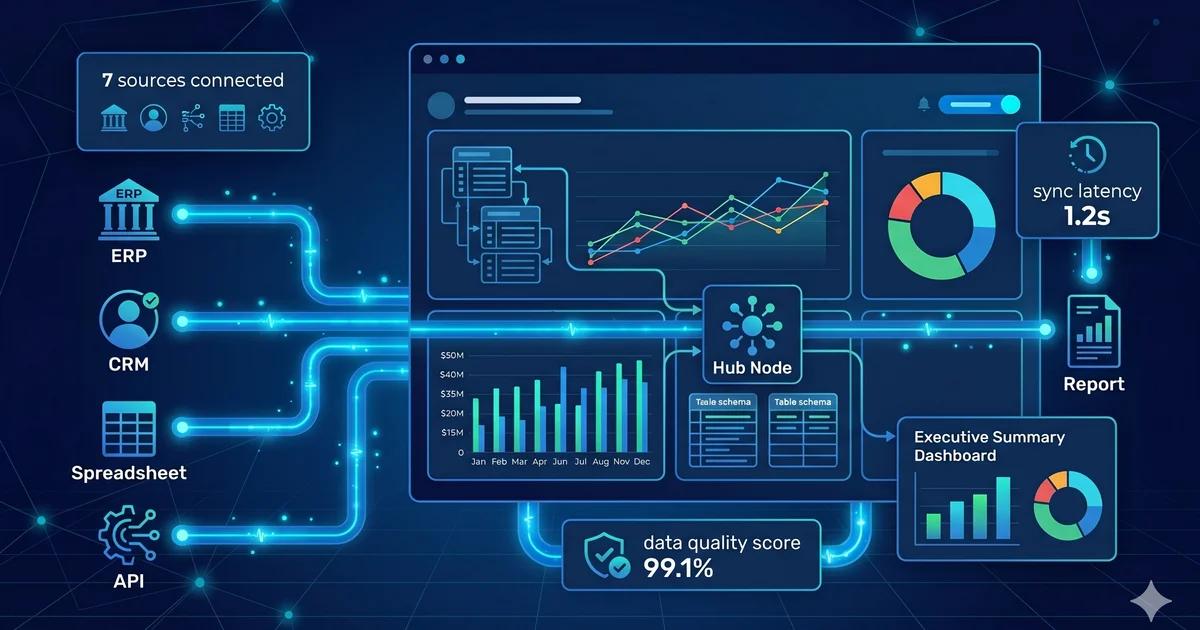
Today, through financial software, it is possible to bring this information together in a complementary way in a single system, allowing for a quick and effective analysis of the general figures relating to that venture, for better management of the business.
Making it easier to even arrive at the market value of the company, should other chains be interested in acquiring the business. All facilitated by the new digital tools to be applied in the management of that venture.
And that is what the digital transformation process amounts to, in which a company can modify its activities by adopting virtual tools that can improve the management of the business, thus facilitating its relationship with the public.
Making it possible to access everything via the internet, thus facilitating the growth of a company within this digital universe, with technologies even allowing for an expansion of its market.
Creating the need for an entrepreneur to always be attentive to the new digital strategies available in order to optimise the situation of their project; there are some steps that can help in this process of change.
Steps for the digital transformation of your business
The process of modifying your business, aiming to adapt to the digital reality of the market, requires a great commitment on the part of the manager of that project, being open to changes that will positively transform the venture.
And this transformation can be credited to your business through 5 specific steps, which should be considered carefully if your objective is to modernise your commercial project. The 5 specific steps are:
Adopt an organisational culture
For your business to be able to adapt to a new scenario, it is necessary for everyone to get on board with this process of digital change, particularly your internal teams. In this regard, it is important to work on creating a new working system in the company.
Making sure that all employees of the company are aware of the changes that will occur in that space, starting with the hiring of a team to support employees during this process of company transformation.
Develop a digital project
It is also not enough to simply create a website and think that your company is ready to operate in the digital landscape. On the contrary, it is necessary to define all the steps required to ensure the digital transformation of your business, also studying your sector.
Because such a change will affect the way a business relates to its public and the market in which it operates. It is necessary to deeply analyse the reality of your business in order to create an appropriate plan for the transition to digital.
Monitor every step
After creating this digital plan, it is necessary to make sure that every level of your plan is running as planned, analysing the adaptation of your employees in relation to the new service methods used by the company.
Such as a company whose contact with its clients will be transferred to digital platforms.
Based on this, it is also important to observe your public's reaction to such changes, to improve what is showing positive results or rethink actions that lead to unsatisfactory data.
Be innovative
As important as it is to follow your digital plan, it is essential first to ensure that this planning is flexible and innovative, thus allowing the testing of new ideas that may result in even more assertive outcomes for the company with a digital presence.
It is important to stand out for your originality, to ensure greater consideration from your public in relation to your competitors, something important in the traditional market and which continues to hold its value in a digital reality.
Embrace the new
If your audience is already connected to the virtual landscape, it makes no sense for your company to continue highlighting its presence only through old systems, both in terms of its external environment and its internal operations.
It is therefore valid to replace old systems associated with your market activities, such as a delivery company that, in order to offer the service without complications in its management, needs to digitalise its tracking system.
Available to track deliveries even for the public, giving customers greater security when following the whereabouts of their orders, all through a practical system accessible via their mobile phones.
From this openness to the new, it becomes possible for a business to undergo the aforementioned digital transformation process, guaranteeing a series of new benefits for that commercial project.
What are the advantages associated with this transformation?
By adapting your business to a virtual reality it is possible to gain access to a range of benefits. Some advantages are quickly noticeable, while others may be seen in the long term. In general, these benefits are:
- Increased productivity;
- Sales growth;
- Improvements in the decision-making process;
- Good relationships with clients;
- Better expense management.
Topics that align with the practicality brought by digital tools, which by offering a platform for easy contact with clients allow access to the most diverse types of benefits associated with the relationship with the public.
Facilitating, for example, the offering of services, whether a business aimed at the end consumer, such as a digital electronics store, or a business-to-business venture.
With both markets managing to excel through the use of digital applications, as the process of market digitalisation has been reaching the most varied business sectors, keeping pace with the transformation process of society itself.
Seeing in the internet a new path for carrying out the most diverse activities. And if the public is willing to engage with digital means, it is up to the market to know how to respond to this.

Product with proven ROI in real data
Sthealth reduced billing errors from 15% to 4% in 60 days. See how strategic data transforms operations.
View case studies